_Our Executive Function series features perspectives from leaders driving transformation through AI._
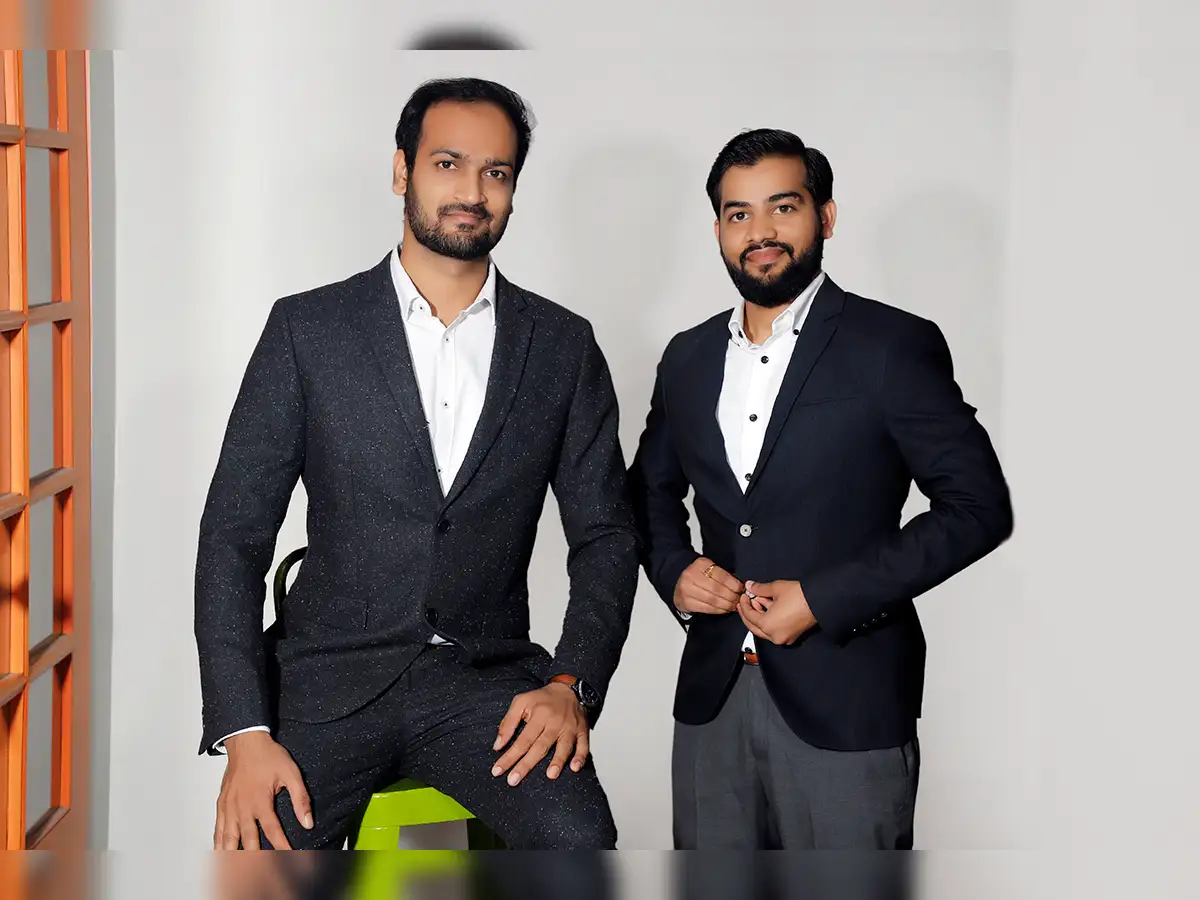
EliseAI(opens in a new window) uses conversational AI to drive efficiency for customers in the housing and healthcare industries. We spoke with Minna Song, CEO of EliseAI, about how AI is transforming these industries, the challenges of running a startup in this climate, and the future of automation.
## EliseAI was founded in 2017, before AI became mainstream. Was there a specific moment you decided to go all in on AI, or did it happen early on?
We decided to go all in with AI from the start. It was less of an “aha” moment with AI and more of a mindset of solving any problem we could, and AI could help us do that. We knew natural language processing was advancing quickly, even in 2017 there was a lot of investment into research, and we anticipated it would get better. And so we asked ourselves, how do we take the great research, great technology, that is coming out and actually apply it to really important fundamental problems we experience in society.
Housing was such a greenfield—no one was really trying to address its challenges, even with traditional technology, which was pretty outdated. But even older techniques still added a lot of value, even without generative AI. The real aha moment came when we realized just how much of the industry's problems we could actually solve with it.
Early on, there weren’t strong generative models yet, so we used models like BERT to create more of a traditional conversational experience. Over time, we upgraded as new advancements rolled out, and now, we move fast with testing and integrating the latest innovations that can improve any part of our solution as soon as it drops.
> “We really focused on solving problems for our customers. Once we understood the problems in the housing industry, it was very clear that AI was the only way that we could solve them.”
## What advice would you give to startups introducing AI to their customers, about doing it in a way that feels natural rather than disruptive?
It really depends on your audience and what "natural" means to them. For us, we had to replicate as much of the existing ways people did things as possible so it felt familiar. This was incredibly important for non-technical industries like housing and healthcare.
Many people in these industries aren’t familiar with modern tools, so we designed AI to replicate existing workflows. We made sure it felt familiar to the user—like, “I was doing this task, and now AI is doing it exactly how I used to, just quicker.”
But now, we don't have to do that as much because people are more familiar with AI. They understand our brand and what we're trying to accomplish in the industry. So, it's less about a segment-by-segment approach and more about promising major changes in their day-to-day business—rethinking processes altogether using automation. I think you have to toe the line, especially if you're introducing a brand-new application.
## What technical breakthrough in AI has had the biggest impact on your product?
We were playing with GPT‑3 early on, and GPT‑3.5 was significantly better. But the jump to GPT‑4 was an incredible breakthrough. It’s hard to predict what problems we’ll be able to solve as new models roll out, but the moment we realized how much we could solve was really with GPT‑4.
There have been other advancements opening up opportunities, like Whisper. We had been obsessed with building voice AI for a long time—it was the missing piece we knew our customers needed. In housing, we had already built powerful products over text-based channels that delivered real value, but phone calls were a clear gap. And in healthcare, voice was everything—almost all communication happens over the phone. We wouldn’t have been able to enter the industry without it. So we were yearning to solve phone calls, but before those models, the tech just wasn’t there. It wasn’t even close.
## When building a new AI-powered feature or tool, how do you measure success?
We measure success the same way our customers do—does it move the needle for their business? In housing, there are pretty clear KPIs like occupancy rates, service quality, maintenance resolution times, and resident satisfaction. And so those things trickle down into the same metrics we use to measure success of our AI.
The overall experience for renters and patients matters a lot. But a key metric we use is the percentage of a workflow we can automate, as our value proposition is saving time and improving efficiency. We do a lot of testing to identify tasks AI can handle and compare its performance to the humans currently doing the job, with the goal of matching or exceeding the best human agents in both effectiveness and reliability.
> “With AI, measuring success is a little bit context specific for each of our products and for every different business.”
## How do you foster AI fluency within your team?
Everything from customer support to sales to finance—every part of our organization has some AI component that helps us scale our business and team much more effectively than if we were doing everything manually.
This also brings a lot of benefits. Our team gains a deep understanding of new use cases for our products. When they talk to customers, they can make connections and recognize opportunities for features we could build, simply because they use the tools themselves for day-to-day operations.
That’s what I consider fluency—understanding what AI can do today, what problems it can solve, and creating a flywheel of innovation and feedback across the company.
For me personally, a big part of my job as CEO is helping people understand the company’s vision, mission, and why we work so hard to achieve those goals. That requires a lot of communication, so I use AI to create a lot of that content, that refines and shares ideas.
> “It's really my job to make sure that everyone is aligned and working and driving in the same direction.”
## How do you effectively plan for EliseAI’s future with AI evolving so fast?
It can be difficult to plan exactly how to implement something because by the time you’re ready, the landscape may have changed, and a better approach might exist. Interestingly, the bigger challenge is often planning for the past—ensuring existing products remain up to date and competitive while continuing to serve a large customer base.
Updating a product while keeping it relevant in a fast-moving market requires constant evaluation. As we build new products, we adopt new tools, but we also ask: How can this apply to past problems in a better way? Does it scale? Should we rethink the architecture? The key is maintaining efficiency in problem-solving and continuously improving existing products—because if you don’t, someone else will.
_EliseAI uses ChatGPT across its organization. The company also powers its platform using OpenAI APIs._
LaunchDarkly's approach to AI-powered product management ChatGPT Mar 4, 2025
Uber enables outstanding on-demand experiences with AI ChatGPT Feb 20, 2025
Fanatics Betting and Gaming uses AI to focus on the big picture ChatGPT Feb 13, 2025
Our Research * Research Index * Research Overview * Research Residency * OpenAI for Science * Economic Research
Latest Advancements * GPT-5.3 Instant * GPT-5.3-Codex * GPT-5 * Codex
Safety * Safety Approach * Security & Privacy * Trust & Transparency
ChatGPT * Explore ChatGPT(opens in a new window) * Business * Enterprise * Education * Pricing(opens in a new window) * Download(opens in a new window)
Sora * Sora Overview * Features * Pricing * Sora log in(opens in a new window)
API Platform * Platform Overview * Pricing * API log in(opens in a new window) * Documentation(opens in a new window) * Developer Forum(opens in a new window)
For Business * Business Overview * Solutions * Contact Sales
Company * About Us * Our Charter * Foundation * Careers * Brand
Support * Help Center(opens in a new window)
More * News * Stories * Livestreams * Podcast * RSS
Terms & Policies * Terms of Use * Privacy Policy * Other Policies
(opens in a new window)(opens in a new window)(opens in a new window)(opens in a new window)(opens in a new window)(opens in a new window)(opens in a new window)
OpenAI © 2015–2026 Manage Cookies
English United States